O-Rings: Standard Sizes, Custom Options and Industrial Uses
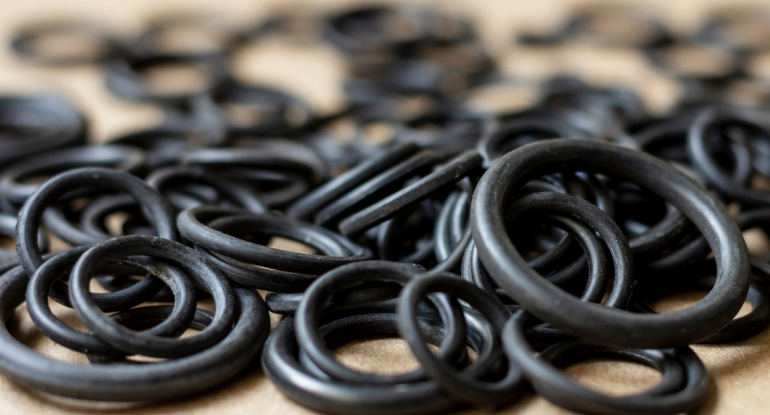
Table of Contents
Table of Contents
- What Are O-Rings and How Do They Work?
- Static and dynamic O-ring applications
- Why groove design and compression matter
- Common Types of O-Rings and Related Sealing Profiles
- Standard O-rings
- Square O-rings
- O-ring seal kits
- Custom O-rings
- How to Choose the Correct O-Ring Size
- Measure the internal diameter and cross-section
- Check groove dimensions and compression
- Understand the effects of incorrect sizing
- Avoid relying on visual estimates
- O-Ring Materials and Their Applications
- Nitrile rubber (NBR)
- Fluorocarbon elastomers (FKM)
- EPDM
- Comparing common O-ring materials
- Where Are O-Rings Used?
- Hydraulic and pneumatic systems
- Pumps and valves
- Industrial machinery
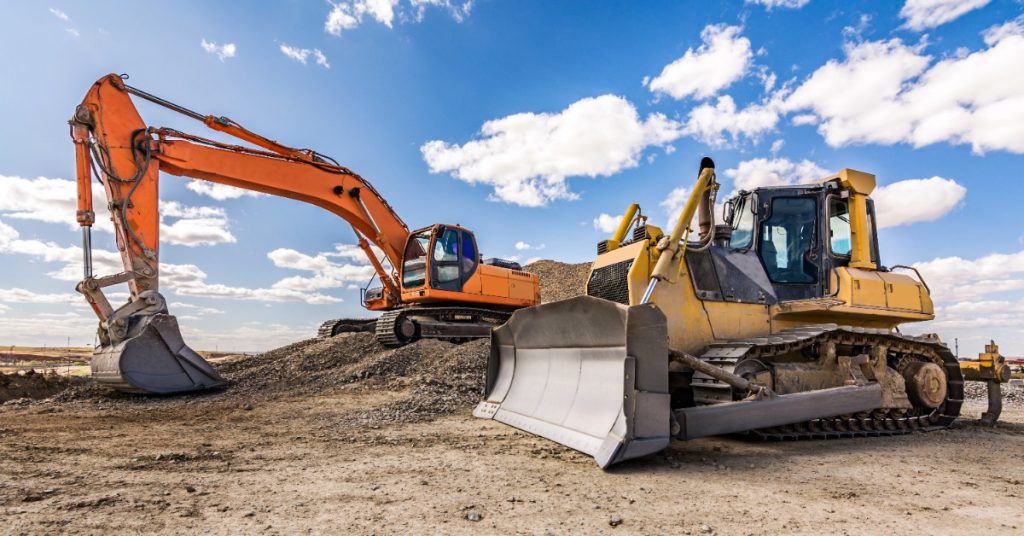
- Automotive and mobile equipment
- General manufacturing and fluid handling
- Standard O-rings vs Custom O-rings: Which Should You Choose?
- When standard sizes are suitable
- When custom dimensions or materials may be necessary
- Factors to compare before deciding
- What to Check When Comparing O-Ring Suppliers in Australia
- Product dimensions and specification support
- Material options and application suitability
- Standard and custom requirements
- Consistency of supply and maintenance planning
O-rings are widely used sealing components in industrial equipment, hydraulic systems, pumps, valves and fluid-handling applications. Their simple circular design makes them suitable for many sealing tasks, from preventing hydraulic oil leakage to helping contain gases in compatible systems. Despite their straightforward appearance, choosing the correct O-ring requires careful attention to size, material, groove design and operating conditions.
For engineers, maintenance teams and industrial buyers searching for o rings in Australia, understanding these factors can help reduce the risk of leakage, premature wear and incorrect replacement orders. A ring that looks suitable may not provide reliable sealing if its dimensions or material do not match the application.
Standard O-rings are available in a range of sizes and materials for common requirements. However, certain applications may need non-standard dimensions, specialist compounds or alternative sealing profiles. Knowing when a standard product is suitable and when a custom option may be necessary helps buyers make more informed decisions.
This guide explains how O-rings work, the differences between common profiles, how to identify the correct size, which materials are available and what to consider when comparing O-ring suppliers in Australia.
What Are O-Rings and How Do They Work?
An O-ring is a circular sealing component with a round cross-section. It is generally made from an elastomer or another suitable sealing material and installed in a groove between two mating surfaces.
When the assembly is fitted together, the O-ring is compressed to create contact with the surrounding surfaces. This contact helps prevent fluid or gas from passing through the gap. The amount of compression, the groove dimensions and the material's properties all influence sealing performance.
Static and dynamic O-ring applications
O-rings are used in both static and dynamic applications, although the operating conditions differ.
Static applications involve surfaces that remain stationary relative to each other. Examples include sealing between a housing and a cover, a flange and a component, or other fixed connections. In these applications, the O-ring remains compressed while the assembly is in service.
Dynamic applications involve movement between sealing surfaces. Depending on the design, O-rings may be used in reciprocating or rotary applications. Movement introduces additional factors, including friction, wear, lubrication and the possibility of the ring twisting or rolling in its groove.
Not every O-ring material or design is suitable for every dynamic application. Pressure, movement speed, temperature and surface finish should be considered before selecting a seal.
Why groove design and compression matter
An O-ring relies on the correct fit within its groove. Too little compression may result in inadequate sealing contact, while excessive compression can increase friction, accelerate wear or damage the material.
The groove must also provide enough space for the O-ring to deform under the intended operating conditions. Pressure, temperature changes and material expansion can affect how the seal behaves.
For this reason, selecting an O-ring involves more than matching its diameter. The surrounding components and the manufacturer's design specifications are equally important.
Common Types of O-Rings and Related Sealing Profiles
O-rings are available in different sizes, materials and configurations. Related sealing profiles may also be used where a conventional circular cross-section does not meet the application's requirements.
Standard O-rings
Standard O-rings have a circular cross-section and are commonly used for static sealing and selected dynamic applications. Their availability in established size ranges makes them useful for routine maintenance, equipment manufacturing and replacement work.
They are found in pumps, valves, hydraulic components, pneumatic equipment and many industrial assemblies. Standard dimensions can simplify replacement when the original specification is known and the product is readily available.
However, a standard size is only appropriate when its dimensions, material and operating limits suit the application. Buyers should confirm the required internal diameter, cross-sectional diameter and material rather than selecting a ring based on appearance alone.
Square O-rings
Square O-rings, sometimes described as square-section rings, have a square rather than circular cross-section. They differ from conventional O-rings in how they contact the groove and surrounding surfaces.
Their suitability depends on the seal's design, the available groove dimensions and the application requirements. A square-section ring should not automatically be treated as a direct replacement for a circular O-ring, even if the overall dimensions appear similar.
Before selecting this profile, confirm that the equipment is designed to accommodate it. The correct profile is determined by the sealing arrangement, not simply by the shape of the available space.
O-ring seal kits
An O-ring seal kit contains a selection of O-rings intended for maintenance, servicing or repair. Kits may contain several sizes, a defined set of replacement rings for particular equipment or components specified for a particular assembly.
A general assortment can be useful for workshops that service different types of machinery. An application-specific kit may be more appropriate when repairing a known valve, pump or hydraulic component.
Before ordering a kit, check the size range, material, quantity and included components. A kit containing many sizes may still be unsuitable if it lacks the particular ring required for the repair.
Material identification is especially important when O-rings are used with hydraulic fluids, chemicals, elevated temperatures or other demanding conditions.
Custom O-rings
Custom O-rings may be considered when standard dimensions are unavailable or do not match the equipment specification. Certain applications may also require a particular material compound or other defined characteristics.
Custom options can be useful for older machinery, specialised equipment, non-standard grooves and replacement requirements where the original component is difficult to identify.
Before requesting a custom product, collect accurate measurements, technical drawings and information about the operating environment. The supplier will need to assess whether the required dimensions, material and design are practical for the application.
Custom manufacture should not be used to compensate for a damaged groove or incorrect assembly design. The underlying sealing problem should be identified before a replacement is specified.
How to Choose the Correct O-Ring Size
Correct sizing is essential for effective sealing. Even a small dimensional difference can affect compression, friction and the ability of the ring to remain in position.
Measure the internal diameter and cross-section
Two key measurements are the internal diameter and the cross-sectional diameter.
- Internal diameter: The diameter of the opening inside the O-ring.
- Cross-sectional diameter: The thickness of the ring's circular cross-section.
These measurements help identify the nominal size, but they do not provide the complete picture. Groove dimensions, material properties and installation requirements also influence suitability.
Whenever possible, use a manufacturer's part number, technical drawing or recognised size specification. If the existing O-ring is available, measure it carefully and compare the results with the original equipment information.
Check groove dimensions and compression
The groove determines how the O-ring sits in the assembly and how much it is compressed when the components are fitted together. Groove width and depth should match the intended sealing design.
Compression must be appropriate for the material and application. Excessive compression can increase friction and stress, while insufficient compression may allow fluid or gas to pass the seal.
Clearance between mating components also matters, particularly under pressure. If the gap is too large for the design and operating conditions, the O-ring may deform or extrude into the clearance.
Understand the effects of incorrect sizing
An incorrectly sized O-ring can contribute to several problems:
- Fluid or gas leakage
- Excessive friction in moving applications
- Twisting, rolling or displacement during operation
- Material damage during installation
- Premature wear or deformation
- Difficulty assembling or servicing the equipment
These symptoms may also result from material incompatibility, damaged surfaces, contamination or unsuitable operating conditions. Correct sizing is important, but it is only one part of reliable seal selection.
Avoid relying on visual estimates
O-rings may look similar even when their dimensions differ. A used ring may also be stretched, compressed, hardened or swollen after exposure to operating conditions.
Where possible, confirm measurements against the equipment specification instead of relying only on the removed component. If the original dimensions are unclear, record the groove measurements and consult a suitable technical reference or sealing specialist.
O-Ring Materials and Their Applications
O-ring materials must be selected according to the fluid, temperature, pressure, movement and environmental exposure. A material that performs well in one application may deteriorate quickly in another.
Common options include nitrile rubber (NBR), fluorocarbon elastomers (FKM, often associated with the trade name Viton) and ethylene propylene diene monomer rubber (EPDM). Other materials may be suitable for specialised requirements.
Nitrile rubber (NBR)
NBR is commonly used in applications involving many petroleum-based oils and hydraulic fluids. It is a frequent choice for industrial sealing because of its useful oil resistance and availability in different formulations.
However, NBR performance depends on the specific compound and operating conditions. Temperature range, fluid additives and exposure to other substances should be checked before selecting it.
Fluorocarbon elastomers (FKM)
FKM materials are used in applications where chemical resistance and higher-temperature performance may be important. They can be suitable for certain oils, fuels and industrial fluids, depending on the compound.
FKM is not universally compatible with every chemical or operating environment. Confirm the exact fluid compatibility and temperature limits before specifying an FKM O-ring.
EPDM
EPDM is commonly considered for applications involving water, steam under specified conditions and certain other fluids. It is generally not the preferred choice for many petroleum-based oils because compatibility can be poor.
The suitability of EPDM depends on the exact fluid, temperature, pressure and material formulation. Applications involving hot water or steam require particular attention to the compound's rated limits.
Comparing common O-ring materials
| Material | Common applications | Important considerations |
|---|---|---|
| NBR | Many oil and hydraulic-fluid applications | Check fluid additives and temperature limits |
| FKM | Selected oils, fuels and chemical applications | Confirm compatibility with the exact fluid and compound |
| EPDM | Certain water-based and weather-exposed applications | Generally unsuitable for many petroleum-based oils |
| Other specialist compounds | Applications with specific chemical, temperature or mechanical demands | Confirm the product's technical specifications |
No single material is suitable for every application. Selection should be based on documented compatibility and the equipment's operating requirements, not on the material name alone.
Where Are O-Rings Used?
O-rings are used across many industries because they can provide compact sealing solutions in appropriately designed assemblies. Their application depends on the required pressure, movement, fluid and environmental conditions.
Hydraulic and pneumatic systems
Hydraulic and pneumatic equipment uses O-rings in selected static connections, ports, fittings, valve assemblies and other components. In hydraulic systems, the ring must be compatible with the fluid and pressure conditions. Pneumatic applications may have different requirements relating to air pressure, lubrication and movement.
Not every moving hydraulic or pneumatic seal is an O-ring. Some applications require specialised rod seals, piston seals or other profiles.
Pumps and valves
O-rings can seal housings, covers, connections and other interfaces in pumps and valves. Their dimensions and materials must suit the fluid being handled and the equipment's operating conditions.
In applications involving aggressive chemicals, high temperatures or specialised fluids, the material specification is particularly important.
Industrial machinery
Manufacturing equipment, presses, production systems and other industrial machinery may use O-rings in housings, connectors, actuators and fluid circuits.
For maintenance teams, knowing the original size and material can make replacement easier. Where machinery has been modified or original records are unavailable, measurements and technical review may be needed.
Automotive and mobile equipment
O-rings are used in selected vehicle systems, mobile machinery and related components. Depending on the application, they may encounter oils, coolants, fuels, water or other fluids.
The correct specification should be confirmed for each system. An O-ring designed for one fluid or temperature range should not be assumed suitable for another.
General manufacturing and fluid handling
O-rings are also found in industrial fittings, pipe connections, processing equipment and fluid-handling assemblies. Their role is to help prevent leakage at the designed sealing interface.
Where leakage could affect product quality, equipment safety or environmental compliance, buyers should confirm whether additional material, certification or application-specific requirements apply.
Standard O-rings vs Custom O-rings: Which Should You Choose?
The choice between standard and custom O-rings depends on the equipment specification, product availability and operating conditions.
When standard sizes are suitable
Standard O-rings are often appropriate when the required dimensions and material match an established specification. They can simplify routine maintenance and make it easier to identify replacement parts.
Standard products are worth considering when the original part number is known, the sealing groove follows a recognised design and the material meets the application's requirements.
Availability should still be confirmed. A standard size may exist but may not be available in the required compound, hardness or quantity.
When custom dimensions or materials may be necessary
Custom O-rings may be worth exploring when the equipment uses a non-standard size, the original component is obsolete or a particular compound is needed for the application.
The process requires accurate technical information. Depending on the requirement, a supplier may need drawings, groove dimensions, operating details and information about the fluid or gas being sealed.
Custom dimensions alone do not guarantee a successful result. The groove design, compression, clearance and material must all be suitable.
Factors to compare before deciding
Consider these points before choosing a standard or custom option:
- Equipment compatibility: Does the ring match the original specification and groove?
- Material requirements: Is the compound suitable for the fluid and temperature?
- Availability: Can the required size and material be sourced within the maintenance timeframe?
- Replacement needs: Is the part required for a one-off repair or recurring maintenance?
- Technical information: Are accurate drawings and measurements available?
- Operating conditions: Will the seal experience pressure, movement, chemicals or environmental exposure that affects selection?
A standard product is often the simplest route when it meets the specification. A custom option is worth discussing when a suitable standard component cannot be identified.
What to Check When Comparing O-Ring Suppliers in Australia
When evaluating o rings suppliers, engineers and buyers should look beyond product availability. The key question is whether the supplier can help identify a component that matches the application.
Product dimensions and specification support
Check whether product information includes the internal diameter, cross-sectional diameter, material and other relevant specifications. Clear identification reduces the risk of confusing similar-looking sizes.
For replacement work, provide the original part number or equipment reference wherever possible. If these details are unavailable, share measurements and drawings to support identification.
Material options and application suitability
Ask whether the available material is suitable for the hydraulic fluid, chemical, temperature and environmental conditions involved. Where the application is demanding, obtain relevant technical information rather than relying on a general material description.
For critical equipment, the seal specification may need to meet additional engineering, regulatory or quality requirements. Confirm these before ordering.
Standard and custom requirements
Consider whether the supplier can help with the standard size or material required. If the component is non-standard, ask whether a custom option can be assessed and what measurements or drawings are needed.
The availability of custom products depends on the supplier's capabilities and the specific design requirements. Do not assume every non-standard ring can be produced or that a custom component will be interchangeable without technical review.
Consistency of supply and maintenance planning
For businesses that regularly service equipment, consistent part identification can help simplify purchasing and stock control. Record the confirmed part number, dimensions, material and application details for future orders.
If several machines use similar sealing components, verify each requirement individually before standardising stock. Similar appearance does not guarantee interchangeability.
For industrial sealing requirements, Seal Tech Mackay is a starting point for discussing relevant seal needs and available options. Providing the application details and specifications can help establish what information is required to assess a suitable product.
Frequently Asked Questions
Conclusion: Choosing O-Rings for Industrial Applications
Selecting the right O-ring involves more than finding a ring with a similar diameter. Engineers and buyers need to confirm the dimensions, groove design, material compatibility, compression and operating conditions before ordering.
Standard O-rings can meet many routine industrial requirements when they match the equipment specification. Square-section rings and other related profiles may suit particular designs, while custom O-rings can be considered for non-standard dimensions or specialist material needs.
When comparing o rings Australia suppliers, look for clear product specifications, suitable material options and a process for reviewing application requirements. Accurate measurements and equipment information can help reduce ordering errors and support effective maintenance planning.
To discuss industrial sealing requirements, visit Seal Tech Mackay. Having the O-ring dimensions, material details, equipment reference and operating conditions ready can help clarify the available options and the next steps.
The most reliable approach is to select each O-ring according to the actual sealing application. Correct sizing, suitable materials and proper installation all contribute to effective sealing and dependable equipment operation.