Hydraulic Cylinder Seal Kits: What to Check Before Ordering
Table of Contents
Table of Contents
- What Is Included in a Hydraulic Cylinder Seal Kit?
- Common components in a seal kit
- Why kit contents need to be checked
- Why Correct Seal Kit Selection Matters
- Helps prevent fluid leakage
- Supports consistent equipment performance
- Helps reduce avoidable downtime
- What Information Do You Need Before Ordering?
- Equipment make and model
- Hydraulic cylinder specifications
- Existing seal details
- Operating pressure, temperature and hydraulic fluid
- Working environment
- OEM Seal Kits vs Custom Seal Kits
- When an OEM seal kit may be suitable
- When custom seal manufacturing may be considered
- What should be confirmed before choosing an alternative?
- Common Mistakes to Avoid When Ordering Seal Kits
- When Should You Contact a Hydraulic Cylinder Seal Supplier?
- Information to provide when requesting assistance
- Discussing difficult-to-source requirements
Hydraulic cylinders are essential components in equipment used across mining, construction, agriculture and industrial operations. These cylinders rely on hydraulic pressure to generate controlled movement, and their sealing components help maintain pressure, prevent fluid leakage and protect internal parts from contamination. Over time, seals can wear, harden or become damaged, making replacement necessary to maintain equipment performance.
Hydraulic cylinder seal kits simplify this maintenance process by grouping compatible sealing components for a particular cylinder or application. However, not every kit suits every cylinder, even when the equipment comes from the same manufacturer. Differences in cylinder dimensions, seal profiles, materials and operating requirements can affect compatibility.
Ordering the correct kit starts with accurate equipment identification and a clear understanding of the cylinder's specifications. Buyers should also consider hydraulic fluid compatibility, operating pressure, temperature and the environment in which the machinery works.
This guide explains what to check before ordering a hydraulic cylinder seal kit, common purchasing mistakes to avoid and when technical assistance may be useful.
What Is Included in a Hydraulic Cylinder Seal Kit?
A hydraulic cylinder seal kit contains selected sealing components intended for maintenance, repair or rebuilding of a hydraulic cylinder. The contents vary according to the cylinder design, manufacturer, model and repair requirements.
Some kits include the main dynamic seals, while others contain additional static seals and supporting components needed for a more extensive overhaul.
Common components in a seal kit
Typical components may include:
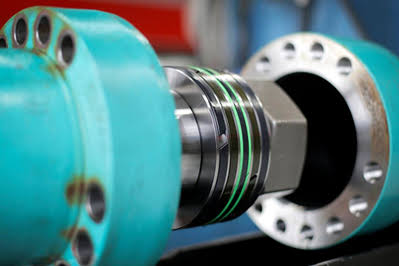
- Rod seals: Help prevent hydraulic fluid from leaking along the moving piston rod.
- Piston seals: Limit fluid bypass between the piston and the cylinder bore.
- Wiper seals: Help remove dust, dirt and other contaminants from the exposed rod as it retracts.
- Buffer seals: Help manage pressure fluctuations affecting the primary rod seal in cylinder designs that use them.
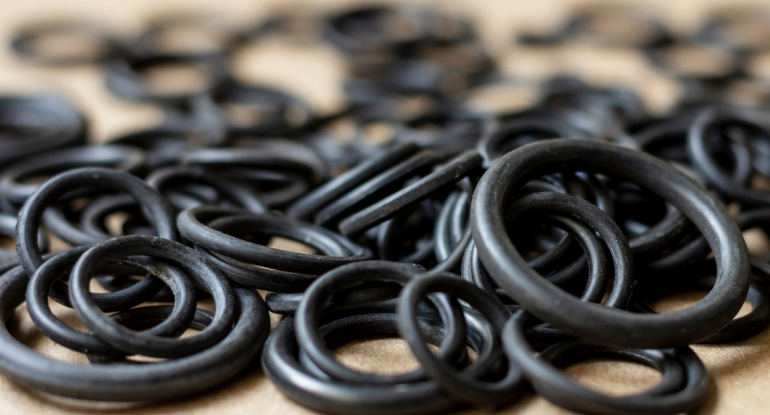
- O-rings: Provide static or, in suitable designs, dynamic sealing between components.
- Backup rings: Help support certain seals against extrusion under specified pressure conditions.
- Other supporting seals: Depending on the cylinder, a kit may include additional components for the gland, end cap or related sealing arrangements.
Not every kit contains all these parts. Some cylinders use specialised seal profiles or different sealing arrangements, so the contents must be confirmed against the equipment requirements.
Why kit contents need to be checked
A kit may fit the general equipment category but still contain the wrong seal configuration for the cylinder being repaired. Installing an incomplete or unsuitable kit can result in leakage, repeat maintenance or delays while additional parts are sourced.
Before ordering, compare the proposed kit contents with the cylinder's parts list or manufacturer's documentation. If the original part number is available, use it as a starting point for verification rather than relying on the equipment brand alone.
Why Correct Seal Kit Selection Matters
Choosing the right hydraulic cylinder seal kit is important for the reliability and performance of hydraulic equipment. Seals must work with the cylinder's dimensions, pressure, movement and operating environment.
Helps prevent fluid leakage
Rod seals and static seals help retain hydraulic fluid within the intended areas of the cylinder. Piston seals limit internal fluid bypass, allowing the cylinder to generate the required force.
If a replacement seal is incorrectly sized or has an unsuitable profile, it may not seal effectively. Leakage can also occur when the cylinder rod, bore or associated components are damaged.
Supports consistent equipment performance
Hydraulic cylinders depend on controlled fluid pressure to move loads. Internal bypass, external leakage or damaged seals can affect movement, load control and overall performance.
Selecting a suitable kit helps ensure that replacement components match the cylinder's sealing arrangement. It is also important to investigate the cause of the original failure, as a new kit will not correct problems such as a scored rod, excessive pressure or misalignment.
Helps reduce avoidable downtime
Ordering an incorrect kit can delay a repair while the correct components are identified and supplied. In equipment-intensive industries, these delays may affect maintenance schedules and machine availability.
Checking part numbers, dimensions, kit contents and operating conditions before placing an order can reduce the risk of purchasing unsuitable components.
When a cylinder is already being dismantled for planned maintenance, inspecting the complete sealing arrangement can also help identify other worn components that may need attention.
What Information Do You Need Before Ordering?
Gathering accurate equipment and cylinder information makes it easier to identify a suitable kit. The following checks are particularly useful when sourcing replacement parts.
Equipment make and model
Start by recording the machine manufacturer, model and relevant identification details. The equipment serial number may also help distinguish between different production versions.
A single machine can contain multiple hydraulic cylinders with different dimensions and functions. For example, lift, tilt, steering and attachment cylinders may require different kits even when fitted to the same machine.
Do not assume that every cylinder on a particular model uses identical sealing components. Check the specific cylinder being serviced.
Hydraulic cylinder specifications
Where available, collect the cylinder model, part number or manufacturer reference. These details can help match the cylinder to the correct technical documentation.
Useful dimensions may include:
- Cylinder bore diameter
- Piston rod diameter
- Seal groove dimensions
- Seal cross-section and profile
- Relevant gland, piston or end-cap dimensions
Accurate dimensions are particularly important when the original part number is missing or the cylinder has been modified.
A worn seal can become deformed during service, so its measured dimensions may not represent the original specification. Where possible, compare measurements with the cylinder drawing or manufacturer data.
Existing seal details
Inspect the removed components and look for part numbers, markings, seal profiles or material information. Photographs can help document the seal's shape and position within the assembly.
If the seals are heavily damaged, flattened or fragmented, visual identification alone may not be reliable. Record the dimensions and provide details of the cylinder in which the seals were installed.
It is also useful to note which seal failed and how it was damaged. Cuts, cracking, hardening, swelling or excessive wear may provide clues about the cause of failure.
Operating pressure, temperature and hydraulic fluid
Seal materials and profiles must suit the conditions in which the cylinder operates. Before ordering, identify the normal operating pressure and temperature range, along with any known pressure spikes or unusually demanding duty cycles.
Hydraulic fluid compatibility is another important consideration. Certain materials may deteriorate when exposed to incompatible fluids, additives or operating temperatures.
Common seal materials include nitrile rubber, polyurethane and polytetrafluoroethylene (PTFE), among others. Their suitability depends on the exact material formulation, seal design and application. Do not select a material based on general descriptions alone.
Working environment
Consider whether the equipment operates in dusty, wet, abrasive or high-temperature conditions. Machinery used in mining, construction and agriculture may encounter dirt and debris that increase the demands on wiper seals and other components.
The operating environment can influence the appropriate seal material, design and maintenance requirements. Providing this information gives the supplier a clearer picture of the application.
OEM Seal Kits vs Custom Seal Kits
Once the cylinder requirements are known, the next step is to determine whether an original-equipment manufacturer (OEM) kit or a suitable alternative is appropriate.
When an OEM seal kit may be suitable
An OEM kit is designed for a specified equipment or cylinder application. It may be a practical choice when the correct part number is known and the kit is available for the exact cylinder version.
Before ordering, verify that the reference matches the cylinder being repaired. Equipment updates, replacement cylinders and previous modifications can affect which kit is required.
When custom seal manufacturing may be considered
Custom seal manufacturing may be worth exploring when a standard kit is unavailable, a component is obsolete or the cylinder uses non-standard dimensions. Depending on the requirements and manufacturing capabilities, a specialist may be able to assess whether a seal can be produced to match supplied specifications.
Custom production requires accurate dimensions, an appropriate profile and a material suited to the operating conditions. It should not be treated as an automatic substitute for a standard kit without checking the cylinder design.
A custom seal also will not resolve the underlying cause of failure if the cylinder has excessive pressure, poor alignment or damaged sealing surfaces.
What should be confirmed before choosing an alternative?
Whether sourcing an OEM kit or considering a custom option, confirm the dimensions, profile, material compatibility and operating requirements. Check which components are included and whether any additional parts are required for the planned repair.
If the application is unusual or the original specification is unclear, technical review before ordering can help reduce uncertainty.
Common Mistakes to Avoid When Ordering Seal Kits
Several common purchasing mistakes can lead to incorrect parts, unnecessary delays or repeat repairs.
| Common mistake | Why it matters | How to avoid it |
|---|---|---|
| Ordering by equipment brand alone | A machine may contain several different cylinder designs | Identify the specific cylinder and part number |
| Assuming similar cylinders use identical kits | Dimensions and sealing arrangements can differ | Verify the cylinder model and technical specifications |
| Measuring only the worn seal | Wear and deformation may affect measurements | Check drawings and original specifications where possible |
| Ignoring material compatibility | The seal may deteriorate in the hydraulic fluid or temperature range | Confirm material suitability for the application |
| Overlooking pressure requirements | An unsuitable seal may deform or fail prematurely | Check operating pressure and pressure fluctuations |
| Failing to confirm kit contents | Important components may be missing or incorrect | Compare the kit list with the repair requirements |
| Replacing seals without investigating failure | The original problem may remain | Inspect rods, bores, fluid condition and alignment |
A few additional checks before purchase can help prevent these issues. Confirm the required quantity, delivery timeframe and whether the kit is intended for routine seal replacement or a complete cylinder overhaul.
When Should You Contact a Hydraulic Cylinder Seal Supplier?
Technical assistance can be useful when equipment records are incomplete, the original seal is badly damaged or the cylinder has a non-standard configuration.
A hydraulic cylinder seal supplier may be able to review the information available and help determine what further details are needed to identify a suitable option. The amount of assistance available will depend on the supplier's technical capabilities and the information provided.
Information to provide when requesting assistance
Prepare as much of the following information as possible:
- Equipment make, model and serial number
- Cylinder identification or part number
- Measurements and technical drawings, if available
- Photographs of the cylinder and removed seals
- Hydraulic fluid type
- Operating pressure and temperature
- Description of the operating environment
- Details of the original seal failure
- Required quantity and preferred timeframe
Clear information can make it easier to assess the requirement. If the part number is missing, explain this at the beginning and provide measurements or photographs to support identification.
Discussing difficult-to-source requirements
If a standard kit cannot be identified, ask whether alternative sourcing or custom seal manufacturing could be considered. Suitability depends on the cylinder design, the accuracy of the available specifications and the feasibility of producing the required components.
For industrial sealing requirements, Seal Tech Mackay is a relevant starting point for discussing seal-related needs and available options. Providing equipment details and accurate measurements can help establish the appropriate next step.
Frequently Asked Questions
Conclusion: Check Before You Order
Ordering the correct hydraulic cylinder seal kits starts with identifying the equipment and the specific cylinder being repaired. Buyers should confirm dimensions, seal profiles, kit contents, material compatibility, hydraulic fluid and operating conditions before placing an order.
It is equally important to investigate why the original seals failed. Damaged rods, worn cylinder bores, contamination, excessive pressure and installation problems can all contribute to recurring leakage or premature wear.
When part numbers are missing or a standard kit is difficult to source, accurate measurements and technical information can help a supplier assess the available options. Custom seal manufacturing may also be worth discussing for certain non-standard requirements, subject to technical review.
To learn more about industrial sealing requirements, visit Seal Tech Mackay. Having the cylinder details, photographs and operating specifications ready can help make the discussion more productive and support a more informed purchasing decision.