What Hydraulic Seals Do I Need?
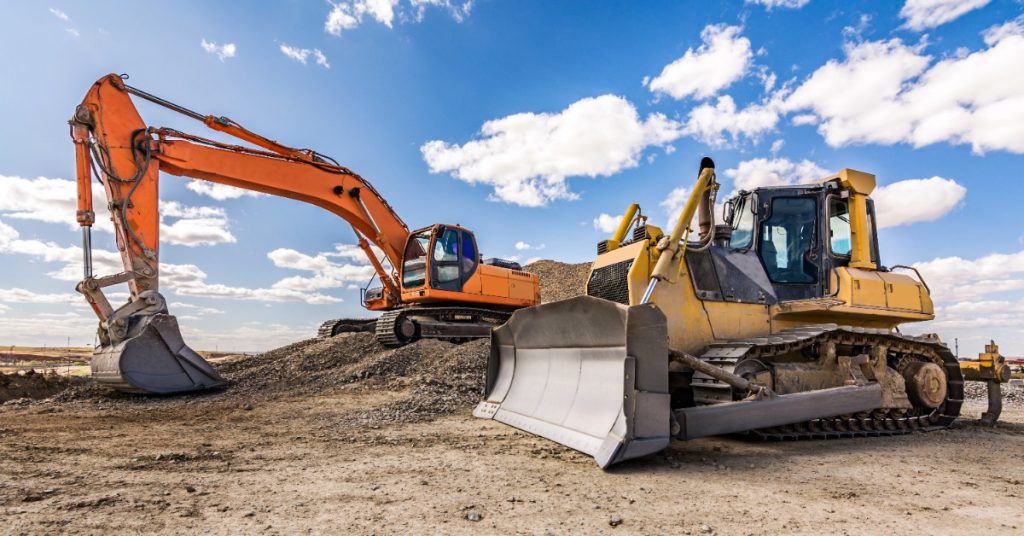
Table of Contents
Table of Contents
- What Are Hydraulic Seals and Why Are They Important?
- Maintaining hydraulic pressure
- Limiting contamination
- Reducing downtime and maintenance issues
- Common Types of Hydraulic Seals
- Rod seals
- Piston seals
- Buffer seals
- Wiper seals
- Guide rings and wear rings
- Where Are Hydraulic Seals Used?
- How to Choose the Right Hydraulic Seal
- Consider operating pressure and temperature
- Check hydraulic fluid compatibility
- Assess movement, speed and wear
- Confirm dimensions and fit
- What to Look for When Sourcing Hydraulic Seals in Australia
- Check specifications and material options
- Understand standard and custom-machined options
- Consider technical support and procurement requirements
- Signs Your Hydraulic Seals May Need Replacing
Hydraulic systems play an important role in industries that rely on controlled force and movement. From excavators and mining machinery to agricultural equipment and industrial presses, these systems depend on hydraulic fluid moving under pressure to operate effectively. Hydraulic seals help maintain that pressure, prevent fluid leakage and protect equipment from external contaminants.
Choosing the right hydraulic seals in Australia industrial operators need involves more than matching a part to its dimensions. Engineers and maintenance teams must consider operating pressure, temperature, hydraulic fluid, movement, material compatibility and the conditions in which the equipment operates.
An unsuitable seal can contribute to fluid loss, reduced system performance, premature wear and unplanned maintenance. The correct seal, selected for the specific application, helps support dependable operation and a more predictable maintenance schedule.
This guide explains the main types of hydraulic seals, where they are used, how to select suitable products and what to consider when sourcing replacement or custom-machined seals for industrial equipment.
What Are Hydraulic Seals and Why Are They Important?
Hydraulic seals are components designed to control fluid movement within hydraulic equipment. They create a barrier between surfaces, helping retain hydraulic fluid where it is needed and maintain the pressure required for a system to function.
In a hydraulic cylinder, for example, seals work around moving components such as the piston and rod. Their design must accommodate movement while limiting leakage and managing friction.
Maintaining hydraulic pressure
Hydraulic equipment relies on controlled fluid pressure to generate force. If fluid bypasses a piston seal or escapes past a rod seal, the system may lose efficiency or fail to perform as intended.
Seal selection is therefore closely connected to the cylinder's design, pressure requirements and operating cycle. A seal suitable for one application may not perform adequately in another.
Limiting contamination
Dust, dirt, moisture and other contaminants can damage internal components and affect hydraulic fluid condition. Seals and wipers help reduce the risk of contaminants entering sensitive areas.
This is particularly important for equipment used in mining, construction, agriculture and other environments where machinery may operate outdoors or encounter abrasive material.
Reducing downtime and maintenance issues
Incorrect sizing, unsuitable materials and poor installation can contribute to seal failure. Leakage may also result from damaged rods, worn cylinder bores, excessive pressure, misalignment or contaminated fluid.
Replacing a seal without investigating the cause may lead to the same problem recurring. Effective maintenance involves checking the complete sealing arrangement and identifying the underlying fault.
Common Types of Hydraulic Seals
Different hydraulic seals perform different functions. Understanding these differences helps engineers and maintenance teams identify the components required for a particular cylinder or hydraulic system.
Rod seals
Rod seals prevent hydraulic fluid from leaking out of the cylinder along the moving piston rod. They must maintain contact with the rod while accommodating repeated movement and changes in operating conditions.
Rod seals are commonly used in hydraulic cylinders found in construction equipment, mining machinery, material-handling systems and industrial machinery. The appropriate design depends on pressure, speed, temperature, fluid compatibility and the condition of the rod surface.
Piston seals
Piston seals create a barrier between the piston and the cylinder bore. Their main function is to limit fluid bypass from one side of the piston to the other, allowing the cylinder to generate the required force.
The seal design must suit the cylinder's pressure, movement and available groove dimensions. Incorrect piston sealing can result in reduced force, inconsistent movement or poor system efficiency.
Buffer seals
Buffer seals help manage pressure fluctuations and protect the primary rod seal in certain hydraulic cylinder designs. They can reduce the impact of pressure spikes and help control the conditions experienced by the main rod seal.
Not every cylinder uses a buffer seal. Its suitability depends on the cylinder design, pressure profile and manufacturer's specifications.
Wiper seals
Wiper seals, sometimes called scraper seals, help prevent dirt, dust and other external contaminants from entering the cylinder as the rod retracts.
They are particularly useful for equipment operating in dusty or abrasive environments. The wiper must match the rod dimensions and operating conditions while working effectively alongside the rod seal.
Guide rings and wear rings
Guide rings support the alignment of moving components and help prevent direct metal-to-metal contact between the piston or rod assembly and the cylinder structure.
They are not conventional fluid-retaining seals. Instead, they help manage side loads, reduce contact between metal surfaces and support the sealing system by maintaining suitable alignment.
Where Are Hydraulic Seals Used?
Hydraulic seals are found in a wide range of equipment that relies on pressurised fluid for movement or force. The requirements differ according to the machinery, working environment and duty cycle.
Common applications include:
- Mining machinery: Hydraulic cylinders used in heavy equipment may operate under substantial loads and demanding environmental conditions.
- Construction equipment: Excavators, loaders, dozers and other machinery use hydraulic systems for lifting, digging and movement.
- Agricultural machinery: Tractors, harvesters and hydraulic implements require seals suited to outdoor use, dust and changing temperatures.
- Industrial equipment: Presses, lifting systems, manufacturing machinery and material-handling equipment depend on reliable hydraulic operation.
- Hydraulic cylinders: Mobile and stationary cylinders need compatible rod seals, piston seals, wipers and supporting components.
- Maintenance and repair operations: Replacement seals are required when equipment is serviced, rebuilt or restored to working condition.
Australian operating conditions can vary considerably between regions and industries. Equipment may face high ambient temperatures, dust, moisture, heavy loads or extended operating cycles. Seal selection should account for the actual conditions rather than relying on a general assumption about the location.
How to Choose the Right Hydraulic Seal
Selecting hydraulic seals requires a review of the equipment specifications and operating environment. The following factors can help narrow down suitable options.
Consider operating pressure and temperature
Pressure affects how a seal contacts surrounding surfaces and how it responds to deformation. A seal designed for lower-pressure service may not be suitable for a high-pressure application.
Temperature is equally important. Heat can affect material properties, while low temperatures may reduce flexibility in some materials. The seal must operate within the limits specified for its material and design.
Review the equipment manufacturer's specifications and consider normal operating conditions as well as pressure spikes, temperature changes and intermittent heavy loads.
Check hydraulic fluid compatibility
Seal materials must be compatible with the hydraulic fluid, lubricants and any other substances they may encounter. Compatibility can affect swelling, hardening, softening, cracking and long-term sealing performance.
Common material options include nitrile rubber, polyurethane, fluorocarbon elastomers and polytetrafluoroethylene (PTFE). Each has different properties and limitations.
For example, polyurethane is used in many hydraulic sealing applications because of its wear resistance, while PTFE may be selected where low friction or particular chemical and temperature properties are required. Nitrile rubber is commonly used with many petroleum-based hydraulic fluids, but suitability depends on the exact formulation and operating conditions.
No single material is appropriate for every application. Confirm compatibility with the seal supplier and the equipment specifications before ordering.
Assess movement, speed and wear
Hydraulic seals must accommodate the type and frequency of movement in the system. Reciprocating movement, sliding speed, friction and operating cycles can influence the required seal profile and material.
A seal used in a frequently cycling industrial cylinder may face different demands from one used in equipment that operates intermittently. Surface finish, lubrication and alignment also influence performance.
If a replacement seal has failed prematurely, inspect the rod or bore for scoring, corrosion, wear and damage. Installing a new seal without correcting a damaged mating surface may not resolve the problem.
Confirm dimensions and fit
Correct dimensions are essential for reliable sealing. Relevant measurements may include:
- Rod diameter
- Piston diameter
- Cylinder bore diameter
- Seal groove width and depth
- Seal cross-section and profile
- Available installation space and associated component dimensions
Use manufacturer drawings, part numbers or reliable measurements wherever possible. Do not assume that seals with similar dimensions are interchangeable, as differences in profile and material can affect performance.
If a worn seal is the only available reference, remember that it may have changed shape during use. Measurements from the equipment or original technical documentation can provide a more reliable basis for replacement.
What to Look for When Sourcing Hydraulic Seals in Australia
When sourcing hydraulic seals Australia maintenance teams require, consider product suitability, technical information, availability and the ability to obtain the correct replacement.
Check specifications and material options
A suitable supplier should be able to review the seal type, dimensions, material requirements and application details. Product identification is easier when the request includes an original part number, equipment model or technical drawing.
Where available, ask for information about material compatibility, pressure limits, temperature range and installation requirements. These details help confirm whether the proposed seal is suitable for the intended use.
Understand standard and custom-machined options
Standard seals may be suitable when the required profile, dimensions and material are readily available. They can be a practical option for common equipment and routine maintenance.
Custom-machined seals may be worth considering when a standard component is unavailable, the equipment uses a non-standard size or a specific profile is required. Depending on the application and manufacturing capability, seals may be produced from suitable stock material to match supplied dimensions or drawings.
Custom manufacturing still requires accurate specifications. A made-to-measure seal will not necessarily solve a problem caused by excessive pressure, poor alignment, incorrect groove design or damaged equipment.
Consider technical support and procurement requirements
Industrial buyers should also assess how clearly a supplier communicates about specifications, lead times and product suitability. For maintenance planning, it can be useful to establish whether standard replacement parts or custom options are available for recurring requirements.
Before placing an order, provide as much application information as possible. This helps reduce uncertainty and makes it easier to identify a suitable product.
Information to provide when requesting a seal
| Information | Why it matters |
|---|---|
| Equipment make and model | Helps identify the system and potential original part references |
| Existing seal part number | Can simplify product identification when the number is correct |
| Seal type and profile | Distinguishes rod seals, piston seals, wipers and other components |
| Dimensions or technical drawing | Helps establish the required fit |
| Hydraulic fluid type | Supports material compatibility checks |
| Operating pressure and temperature | Helps determine whether the seal suits the conditions |
| Application and operating environment | Provides context about movement, contamination and duty cycle |
| Quantity and required timeframe | Supports purchasing and maintenance planning |
If the original seal is damaged, provide clear photographs and measurements where possible. A sample can be useful, but it should be considered alongside equipment specifications and the cause of the original failure.
Signs Your Hydraulic Seals May Need Replacing
Seal wear and damage can affect equipment performance. Recognising warning signs early can help maintenance teams investigate the problem before it leads to more extensive disruption.
Common signs include:
- Visible fluid leakage: Hydraulic oil appears around a cylinder rod, seal housing or related connection.
- Pressure loss: Equipment struggles to maintain the expected force or load.
- Inconsistent movement: A cylinder moves unevenly, slowly or unpredictably.
- Contamination: Dirt or moisture enters areas that should be protected by the sealing arrangement.
- Repeated seal failures: Replacement seals deteriorate quickly or leakage returns soon after repair.
- Unusual wear: A removed seal shows cuts, cracking, deformation, hardening or excessive abrasion.
These symptoms do not automatically mean the seal is the only problem. Leakage may be caused by a damaged rod, worn bore, loose connection or other system fault. Pressure loss can also result from issues elsewhere in the hydraulic circuit.
Before replacement, inspect the assembly, check the fluid condition and review the operating conditions. Follow appropriate isolation and depressurisation procedures before servicing hydraulic equipment. Pressurised hydraulic fluid can cause serious injury, so repairs should be carried out by appropriately trained personnel.
Frequently Asked Questions
Choosing Hydraulic Seals for Reliable Equipment Operation
Hydraulic seals are small components with an important role in the operation of industrial machinery. Their performance depends on selecting the correct type, dimensions and material for the system's pressure, temperature, fluid and movement requirements.
For engineers, maintenance teams and industrial buyers, a structured selection process can help reduce incorrect orders and avoid repeat repairs. Standard seals may meet common requirements, while custom-machined options can be considered when dimensions or profiles are non-standard.
Seal Tech Mackay provides a starting point for discussing industrial sealing requirements and suitable seal options. Visit the Seal Tech Mackay website to learn more and discuss your application. Providing accurate measurements, equipment details and operating conditions can help establish the most appropriate next step.
The key is to treat seal selection as part of the wider hydraulic system, not simply as a replacement-parts purchase. Matching the seal to the application supports dependable operation and more effective maintenance planning.