Hydraulic Cylinder Seals Explained: Rod, Piston, Buffer and Wiper Seals
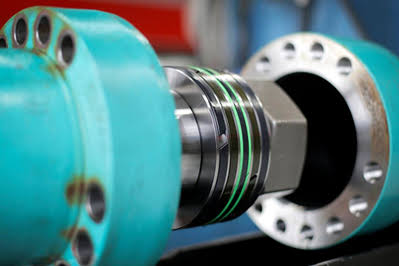
Table of Contents
Table of Contents
- What Are Hydraulic Cylinder Seals?
- Controlling fluid leakage and maintaining pressure
- Protecting the cylinder from contamination
- Why compatibility and installation matter
- Types of Hydraulic Cylinder Seals and Their Functions
- Hydraulic cylinder rod seals
- Hydraulic cylinder piston seals
- Hydraulic cylinder buffer seals
- Hydraulic cylinder dust seals
- Hydraulic cylinder gland seals
- How Do These Seals Work Together?
- Hydraulic cylinder seal functions at a glance
- Common Causes of Hydraulic Cylinder Seal Failure
- Excessive pressure or pressure spikes
- Incorrect seal material or dimensions
- Contamination and surface damage
- Excessive heat, wear or fluid incompatibility
- Misalignment and installation errors
- How to Choose Replacement Hydraulic Cylinder Seals
- 1. Identify the cylinder and application
- 2. Confirm dimensions and seal profile
- 3. Check pressure, temperature and fluid compatibility
- 4. Decide whether an individual seal or a complete kit is needed
- 5. Investigate the reason for the original failure
Hydraulic cylinders are essential components in machinery used across mining, construction, agriculture and industrial manufacturing. They convert hydraulic pressure into controlled linear movement, allowing equipment to lift, push, pull and position heavy loads. To perform these tasks effectively, cylinders rely on sealing components that control fluid movement, maintain pressure and protect internal surfaces from contamination.
Hydraulic cylinder seals perform different functions within the same assembly. Some prevent hydraulic fluid from escaping, others stop internal leakage, and additional components help protect the cylinder from dirt and wear. Understanding these differences is important for maintenance teams and technicians who inspect equipment, diagnose faults and source replacement parts.
Rod seals, piston seals, buffer seals, dust seals and gland seals all contribute to the cylinder's operation, although their design and arrangement vary between applications. Selecting the right components requires attention to dimensions, material compatibility, operating pressure, temperature and working conditions.
This guide explains how the main types of hydraulic cylinder seals work, why they can fail and what to check when choosing replacements.
What Are Hydraulic Cylinder Seals?
Hydraulic cylinder seals are components fitted within or around a cylinder assembly to control fluid movement between adjoining surfaces. They are designed to maintain sealing contact while accommodating the movement, pressure and temperature conditions associated with hydraulic operation.
A typical hydraulic cylinder contains a barrel, piston, piston rod and end components. Depending on its design, it may also contain several sealing and guiding elements.
Controlling fluid leakage and maintaining pressure
Hydraulic fluid transfers force through the cylinder. If fluid leaks externally or bypasses the piston internally, the cylinder may lose efficiency or fail to deliver the expected force.
Rod seals help prevent fluid from escaping where the piston rod exits the cylinder. Piston seals limit fluid bypass between the piston and cylinder bore. These components must match the cylinder's design and operating requirements.
Protecting the cylinder from contamination
Hydraulic systems can be affected by dust, grit, moisture and other contaminants. Dust seals, commonly called wiper seals, help remove contamination from the exposed rod as it retracts into the cylinder.
Preventing contaminants from entering the assembly helps protect the rod, internal sealing surfaces and hydraulic fluid. This is particularly important for machinery operating in dusty or abrasive environments.
Why compatibility and installation matter
A seal may have the correct general shape but still be unsuitable for a particular application. Material, dimensions, profile, pressure limits and fluid compatibility all affect performance.
Incorrect installation can also damage sealing lips or cause components to twist, stretch or sit improperly in their grooves. Following the cylinder manufacturer's specifications and using appropriate installation procedures can help reduce premature failures.
Types of Hydraulic Cylinder Seals and Their Functions
Each sealing component has a specific purpose. Understanding how these components differ helps maintenance teams identify the likely source of a problem and determine which parts may require inspection.
Hydraulic cylinder rod seals
A hydraulic cylinder rod seal prevents hydraulic fluid from leaking along the piston rod as it moves through the cylinder head or gland. It maintains contact with the moving rod while allowing the cylinder to extend and retract.
Rod seals must withstand repeated movement, friction and the pressure conditions present in the sealing arrangement. Their performance also depends on the condition of the rod surface. Scratches, corrosion, excessive wear or contamination can damage the sealing lip and contribute to leakage.
Rod seals are commonly used in mobile machinery, industrial cylinders and hydraulic equipment that performs repetitive lifting or pushing tasks.
When a rod seal leaks, the seal itself may be worn or damaged. However, technicians should also inspect the rod, gland and associated components to identify the underlying cause.
Hydraulic cylinder piston seals
A piston seal is fitted around the piston and forms a barrier between the piston and the cylinder bore. Its primary function is to prevent hydraulic fluid from bypassing the piston as pressure is applied.
The piston seal helps the cylinder generate the force required for movement. If fluid passes from one side of the piston to the other, the cylinder may experience reduced force, inconsistent movement or difficulty holding a load.
Piston seals are selected according to the cylinder's dimensions, pressure, movement and hydraulic fluid. Some designs use single-acting sealing arrangements, while others are configured for double-acting cylinders that operate under pressure in both directions.
The correct design depends on the equipment manufacturer's specifications and the intended application.
Hydraulic cylinder buffer seals
A hydraulic cylinder buffer seal helps manage pressure fluctuations in certain cylinder designs. It is generally positioned within the rod sealing arrangement to reduce the effect of pressure spikes on the primary rod seal.
Buffer seals can help control the pressure experienced by the main rod seal, supporting its performance under demanding operating conditions. They are often relevant in cylinders exposed to high loads, changing pressures or demanding duty cycles.
Not every hydraulic cylinder includes a buffer seal. The need for one depends on the cylinder's design, pressure profile and sealing system.
If a cylinder repeatedly damages its rod seal, technicians should investigate pressure conditions and the condition of related components rather than automatically replacing the buffer seal alone.
Hydraulic cylinder dust seals
A hydraulic cylinder dust seal, also known as a wiper or scraper seal, helps prevent external contamination from entering the cylinder.
As the piston rod retracts, the dust seal removes or scrapes away dirt and other material from the exposed rod surface. This helps limit the amount of contamination carried into the cylinder during operation.
Dust seals are especially useful in excavators, mining machinery, agricultural equipment and other systems exposed to soil, grit and airborne particles.
A damaged or ineffective wiper may allow contamination to reach the rod seal and other internal components. The correct wiper must suit the rod diameter, installation space and environmental conditions.
Hydraulic cylinder gland seals
The gland is the component at the rod end of many hydraulic cylinders. It supports the rod and accommodates sealing and guiding components that help control leakage and movement.
A hydraulic cylinder gland seal is not always one single component. The gland assembly may contain a rod seal, wiper, guide ring, static seals and, where specified, a buffer seal. The precise arrangement depends on the cylinder's construction.
Some seals in the gland assembly retain hydraulic fluid, while others prevent contamination or guide the moving rod. Understanding the assembly is important when ordering replacement parts because replacing one seal may not address wear or damage elsewhere in the gland.
How Do These Seals Work Together?
Hydraulic cylinder seals operate as a system. Each component has a different role, but their functions overlap in supporting reliable operation.
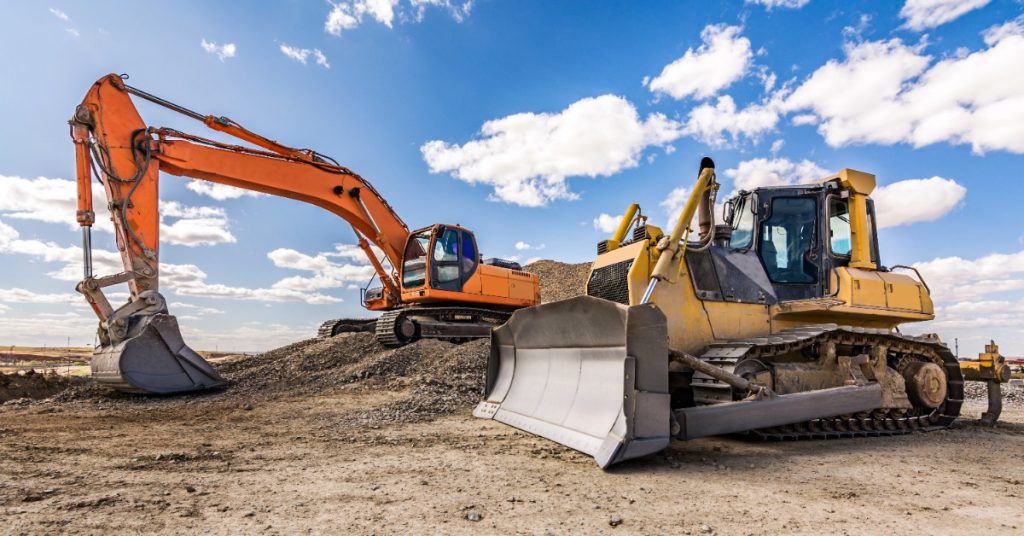
Consider an excavator cylinder that extends to lift part of the machine's arm. Hydraulic fluid enters one side of the cylinder and pushes the piston, moving the rod.
The piston seal helps prevent fluid from bypassing the piston. At the rod end, the rod seal limits external leakage. If the cylinder design includes a buffer seal, it helps manage pressure conditions affecting the primary rod seal. The dust seal cleans the exposed rod as it retracts, helping keep contaminants outside.
The gland supports the rod and houses the relevant sealing and guiding elements. Guide rings may also help manage side loads and reduce metal-to-metal contact.
Hydraulic cylinder seal functions at a glance
| Seal type | Main function | Typical location |
|---|---|---|
| Rod seal | Limits hydraulic fluid leakage along the moving rod | Rod end or gland |
| Piston seal | Prevents fluid bypass between the piston and cylinder bore | Around the piston |
| Buffer seal | Helps manage pressure fluctuations affecting the rod seal | Within the rod sealing arrangement, where specified |
| Dust or wiper seal | Helps keep dirt and contaminants outside the cylinder | Outer rod end |
| Gland sealing components | Support fluid retention and sealing around the rod assembly | Within the gland or cylinder head |
The table describes common functions rather than a universal layout. Some cylinders use different seal profiles or additional components, so the manufacturer's design should always guide inspection and replacement.
Common Causes of Hydraulic Cylinder Seal Failure
Hydraulic cylinder seals operate under pressure and repeated movement. Over time, unsuitable conditions or damaged components can reduce their effectiveness.
Excessive pressure or pressure spikes
Pressure beyond the seal's intended operating range can cause deformation, extrusion or damage. Sudden pressure changes may also place additional stress on the sealing arrangement.
If seals repeatedly fail, check whether the system is operating within its specified pressure limits and whether pressure fluctuations are being managed appropriately.
Incorrect seal material or dimensions
A seal made from an unsuitable material may deteriorate when exposed to the hydraulic fluid, temperature or operating conditions. Incorrect dimensions can also cause poor sealing contact, excessive friction or an improper fit.
Always confirm the required profile and measurements rather than selecting a replacement based on appearance alone.
Contamination and surface damage
Dirt and abrasive particles can damage seal lips and wear the rod or cylinder bore. Corrosion, scoring and rough surface finishes may create paths for fluid leakage.
Inspect the mating surfaces whenever a seal is replaced. Installing a new seal against a damaged rod or bore may lead to another failure.
Excessive heat, wear or fluid incompatibility
High temperatures can accelerate material ageing, while incompatible hydraulic fluids may cause some seal materials to swell, soften or harden. Repeated movement also contributes to normal wear.
Check the material's compatibility with the fluid and the operating temperature range specified for the application.
Misalignment and installation errors
Misalignment, excessive side loading or damaged guide components can place uneven stress on the seal. Incorrect installation can also cut, twist or deform a new component.
Use the appropriate tools and procedures, and investigate recurring problems rather than treating every failure as normal wear.
How to Choose Replacement Hydraulic Cylinder Seals
Selecting the right replacement involves more than identifying whether the damaged component is a rod seal or piston seal. Maintenance teams should consider the complete cylinder assembly and the conditions in which it operates.
1. Identify the cylinder and application
Start with the equipment make, model and cylinder identification details. Original part numbers or manufacturer documentation can help establish the correct seal arrangement.
If these details are unavailable, record the cylinder's function, operating environment and any known service history.
2. Confirm dimensions and seal profile
Check the relevant rod diameter, bore diameter, groove dimensions and seal profile. Use technical drawings or manufacturer specifications where possible.
A worn or damaged seal may have changed shape, so measurements taken from the removed component should be checked against the cylinder's original dimensions.
3. Check pressure, temperature and fluid compatibility
Confirm the system's operating pressure, possible pressure spikes, temperature range and hydraulic fluid type. The replacement seal material must be suitable for these conditions.
If the equipment operates in an abrasive environment or under frequent cycling, include those factors when assessing the appropriate design.
4. Decide whether an individual seal or a complete kit is needed
If one seal has failed, the remaining components should also be inspected. A complete seal kit may be appropriate during a planned cylinder overhaul or when several components show signs of wear.
However, the required parts depend on the cylinder design and the scope of the repair. Replacing every component is not automatically necessary for every maintenance task.
5. Investigate the reason for the original failure
Before fitting the replacement, check for contamination, surface damage, excessive pressure, misalignment and other potential causes. Addressing the underlying issue helps reduce the likelihood of repeat failure.
For specialist requirements or non-standard dimensions, a seal supplier may be able to review the specifications and discuss suitable standard or custom options.
Frequently Asked Questions
Choosing the Right Hydraulic Cylinder Seals
Rod, piston, buffer, dust and gland sealing components each contribute to hydraulic cylinder performance. Selecting suitable parts requires an understanding of their individual functions, the cylinder's design and the demands of the operating environment.
For maintenance teams and technicians, correct identification and careful inspection can help reduce repeat failures and improve repair planning. Dimensions, seal profiles, material compatibility, pressure, temperature and surface condition should all be considered before a replacement is installed.
For information about industrial sealing requirements and available options, visit Seal Tech Mackay. Providing the equipment details, seal measurements and operating conditions can help when discussing replacement or custom seal requirements.
A systematic approach to seal selection and maintenance helps ensure that each component performs its intended role within the hydraulic cylinder assembly.